Waterfront, barrier island, or three blocks back.
Distance to water, roof age, and windstorm-resistant features commonly move a coastal premium more than the size of the house does. See how the hurricane deductible works.
Coastal property isn't a normal home policy with a higher number on it. Different questions get asked, different carriers answer, and the pieces have to be assembled deliberately.
Wind pricing generally tightens the closer a home sits to open water, and some carriers stop writing past a certain distance from the coast altogether.
Flood is a separate policy from homeowners, and storm surge is generally handled as flood rather than as wind. On the coast, that distinction decides which policy responds.
Roof age is one of the first things a coastal carrier asks about. A newer roof, and certain materials and attachment methods, commonly open up more options.
Florida law requires insurers to offer discounts for certain windstorm-resistant features. A wind mitigation inspection documents what your home already has, so you get credit for it.
Homes built before current building codes can be harder to place. Thirty years of carrier relationships is how we find the ones still willing to look.
On the coast, rebuilding costs — labor, access, materials — often run ahead of what a home would sell for. The limit should follow the rebuild, not the listing.
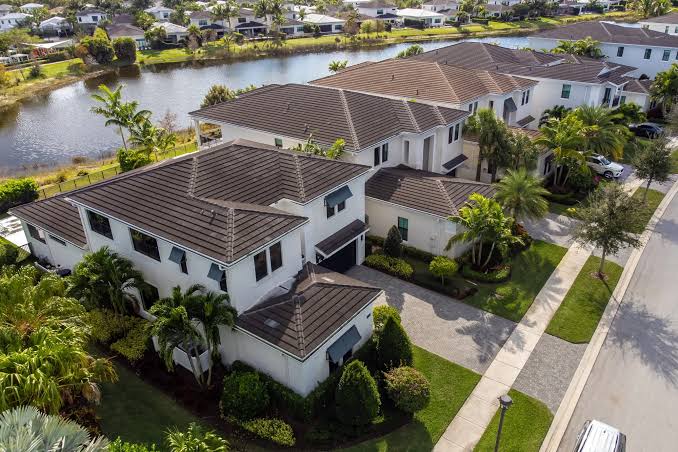

This is the part that catches coastal owners by surprise. Damage from wind and damage from rising water are generally handled by different policies — and storm surge, despite arriving with the storm, is usually treated as flood rather than wind.
A coastal home can be fully insured against one and completely exposed to the other. We line up homeowners, wind, and flood together and show you exactly where each one starts and stops, before the season rather than after it.
Review my coastal coverageOne request, and we assemble the whole picture rather than selling you one piece of it.
This is the advantage of an independent agency: one quote request here puts multiple Florida carriers to work competing for you. Coastal risk is exactly where that matters most — appetite varies enormously from carrier to carrier. The list changes as the Florida market changes; ask us for the current one.
The address does most of the work — distance to water, flood zone, and wind exposure all follow from it. Two minutes online, or call the office.
We approach the carriers that actually write near the water, and quote wind and flood alongside the homeowners policy rather than after it.
Every option laid out in plain words. We handle the application paperwork, and we're here at renewal and at claim time.
Generally no. Surge arrives with the storm but is usually handled as flood damage rather than wind damage, which means it falls to a flood policy rather than the windstorm portion of your homeowners coverage. It's one of the most common gaps we find on coastal homes.
It varies by carrier, by distance, and by the home itself — which is exactly why shopping matters here. Roof age and windstorm-resistant features often move the number as much as location does, and appetite for coastal risk differs sharply between insurers.
Florida law requires insurers to offer discounts for certain windstorm-resistant features, and the inspection is what documents which ones your home has. Whether it pays for itself depends on the house — tell us what you have and we'll give you an honest read before you order one.
Often, yes — that's a large part of what an independent agency is for. Non-renewals on the coast are common and usually reflect a carrier's changing appetite rather than anything about you. Send us the notice and we'll go to the market.
Two minutes online, or one call to the office. Wind, flood, and homeowners reviewed together, since 1994.
Get a free property quote