Estates, waterfront, and penthouses — placed where they belong.
High-value homes are often written on different forms with different limits, and some are placed in specialty markets rather than with standard carriers. See high-limit liability.
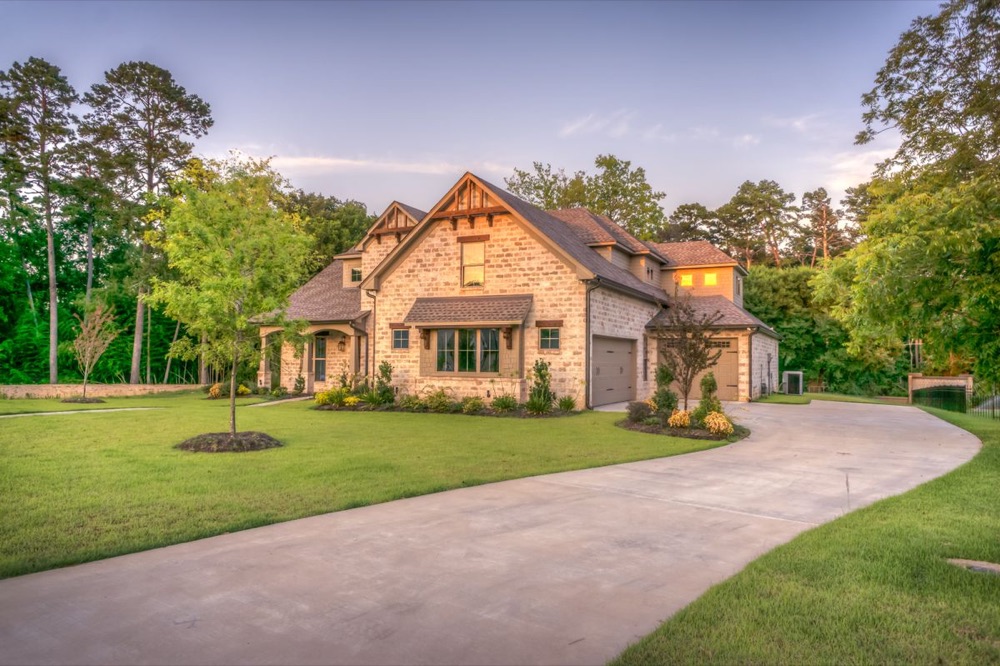
Above a certain value, a home stops being a standard risk with a bigger number attached. The forms change, the markets change, and the details that get glossed over on an ordinary policy start to matter a great deal.
Standard policies generally cap what they'll pay on jewelry, art, watches, and wine. Scheduling those items separately is how they get insured for what they're worth.
A pool, a dock, staff, young drivers, a board seat — exposure grows with the estate. An umbrella raises the liability limit above what the home and auto policies carry on their own.
Seasonal occupancy, docks, and coastal exposure all change who will write the risk and on what terms. See coastal risk →
When standard carriers won't take the limit, the risk goes to specialty and surplus-lines markets. Reaching those takes an independent agency with the appointments to do it.
A high-floor unit is insured under a different form than a house, and the association's master policy decides where your coverage has to begin.

On a high-value home, the dwelling limit and the real cost to rebuild aren't always the same number — construction, finishes, and local labor all factor in, and market price is a different thing again.
It's a fair question to ask of any policy, and one worth raising with your carrier or a licensed agent before renewal rather than after a claim. If you'd like a second set of eyes on yours, we're happy to take a look and quote it across the carriers we work with.
Get a quoteOne request, and we can look at these together rather than one policy at a time.
This is the advantage of an independent agency: one quote request puts multiple Florida carriers to work competing for you, and where the standard market won't take the limit we go to specialty markets instead. The list changes as the Florida market changes; ask us for the current one.
Address, construction, and anything unusual about the finishes or the site. Two minutes online, or call the office and talk it through.
Dwelling limit, scheduled valuables, and liability sized together — then quoted across standard and specialty markets.
Every limit and deductible explained by a licensed person, including whether your current policy is already fine. Then we handle the paperwork.
There's no single threshold — it varies by carrier, and it's driven as much by construction and contents as by price. The practical signal is when standard carriers start declining the limit or capping coverage on things you own. If you're wondering, ask us and we'll tell you where your property sits.
Generally no, and conflating the two is a common source of underinsurance. Market price reflects land, location, and demand; the policy limit should reflect what it would cost to rebuild the structure. On high-end construction the rebuild figure is often the higher of the two.
Standard policies generally limit what they'll pay for categories like jewelry, art, and collectibles. Scheduling lists specific items with agreed values so they're covered for what they're worth, usually with broader terms than the base policy provides.
Yes. A high-floor unit is written on a different form than a house, and how much coverage you need depends on where the association's master policy stops, which is worth checking before you buy.
Two minutes online, or one call to the office. A licensed person, a real review, and no obligation.
Get a free property quote